About Miami, FL
Miami, FL, demonstrates a dynamic economic landscape, consistently driving significant results across diverse sectors. Its metropolitan area generates an economy exceeding $185 billion annually. This performance stems from strategic advantages: a global trade gateway, a burgeoning tech ecosystem, and a dominant position in international finance. Over 100,000 small businesses operate in Miami-Dade County, contributing substantially to this economic output. These enterprises embody local agility, adapting rapidly to market demands and delivering measurable impact.
The city's business environment fosters high-achieving ventures. Miami attracted over $5 billion in venture capital funding in 2021, signaling strong investor confidence in local innovation. This capital fuels growth, propelling hundreds of new startups annually. Key industries, including financial services, logistics, and tourism, consistently report strong performance metrics. For example, the Port of Miami handles over 1 million TEUs annually, exemplifying operational efficiency and global connectivity. Miami businesses set high standards, consistently producing tangible success.
Neighborhoods and Landmarks in Miami
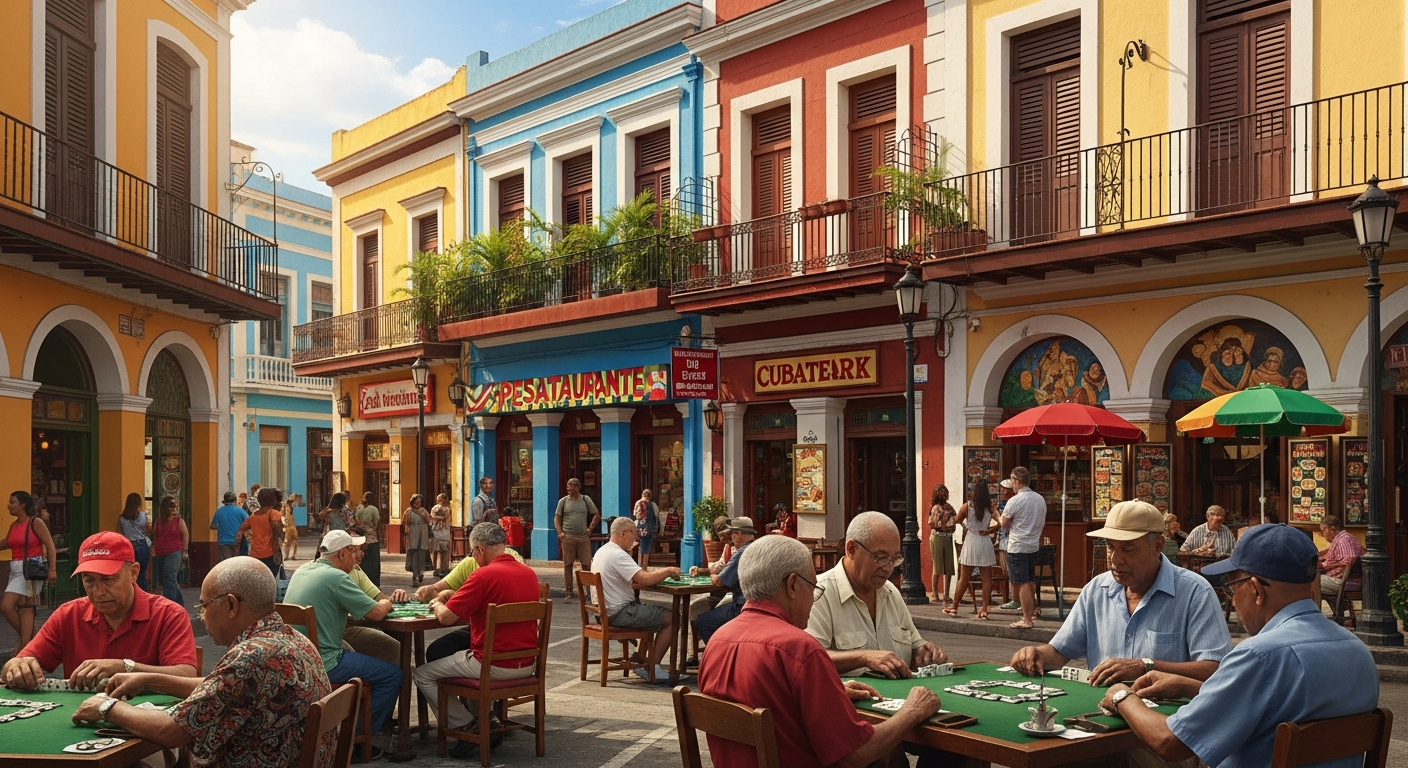
Little Havana. Calle Ocho (SW 8th Street) serves as the commercial spine of Miami's Cuban community, hosting independently owned restaurants, cafeterias, cigar shops, fruit stands, and domino parks. The corridor stretches 15 blocks from SW 12th to SW 27th Avenue.
Wynwood Arts District. A former warehouse district transformed into an outdoor gallery and independent business hub. Over 70 art galleries, independent restaurants, and creative studios operate alongside the Wynwood Walls outdoor mural collection.
Design District. A 18-block neighborhood north of Midtown featuring independently owned design showrooms, art galleries, and restaurants alongside luxury retail. The district hosts monthly art walks drawing 5,000+ visitors.
Coconut Grove. Miami's oldest continuously inhabited neighborhood operates a walkable village center with independent restaurants, boutiques, and marine supply businesses serving the adjacent sailing and boating community.
Little Haiti. The cultural center of Miami's Haitian community along NE 2nd Avenue features independent Creole restaurants, bakeries, botanicas, barbershops, and Caribbean grocery stores serving a community of 100,000+ Haitian Americans.
Coral Gables Miracle Mile. A half-mile stretch of independently owned restaurants, bridal shops, art galleries, and professional offices in the planned community of Coral Gables. The Mediterranean Revival architecture dates to the 1920s.